Theme
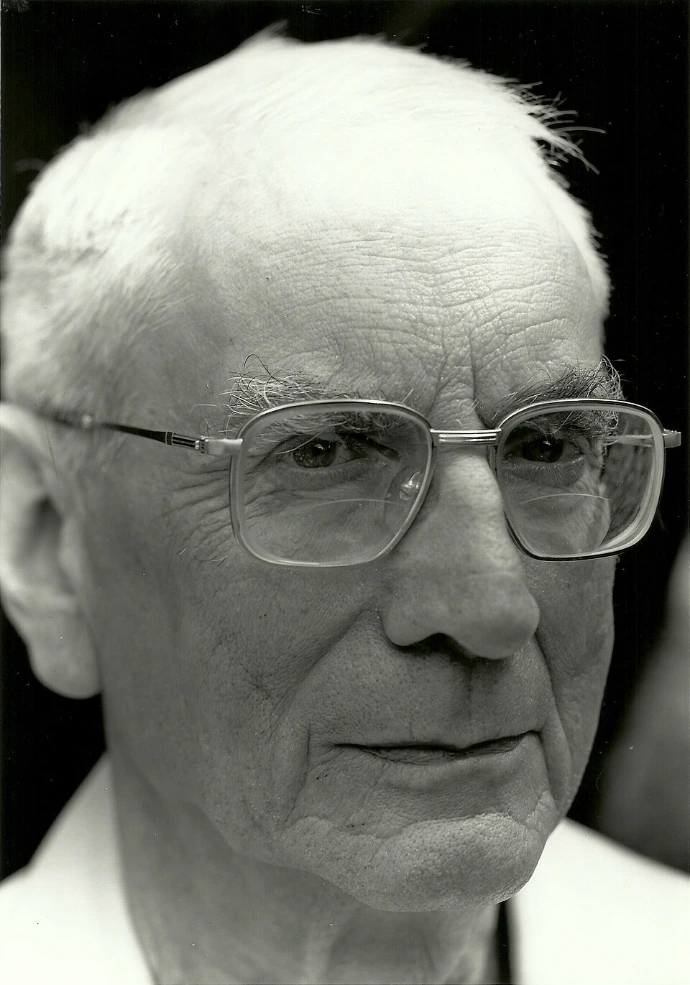
Following the work of Pierre Hadot, ‘philosophy as a way of life’ seeks to rediscover, investigate, promote and practice the ancient conception of philosophy, as radically different from its modern and contemporary form as a primarily academic and theory-oriented discipline:
“philosophy was a mode of existing-in-the-world, which had to be practiced at each instant, and the goal of which was to transform the whole of the individual’s life. [...] Philosophy was a method of spiritual progress which demanded a radical conversion and transformation of the individual’s way of being.” (Pierre Hadot, Philosophy as a way of life, p. 265)
Philosophy thereby stands in contrast with philosophical discourse as merely talking about philosophy, of which the ancients repeatedly warned that it is not philosophy itself – though it can easily become a substitute for philosophy. Although this danger of reducing philosophy to philosophical discourse is as old as philosophy itself, Hadot puts a special emphasis on the historical role of Christianity in the (near) disappearance of philosophy as a way of life. Precisely because Christianity presented itself as a philosophy, i.e. as a way of life which definitively answered ancient philosophy’s quest for wisdom and truth through a divine revelation, could it thereby reduce philosophy (as distinct from Christianity) to a merely preparatory theoretical exercise – e.g. to furnish theology with the necessary conceptual tools. Philosophy thereby became the mere ancilla theologiae, emptied of its practical way-of-life content which had – very successfully – been taken over by Christianity. Only in the monastic tradition, continues Hadot, did philosophy as a radical (Christian) way of life continue as indeed something “to be practiced at each instant, and the goal of which was to transform the whole of the individual’s life”. When philosophy ‘liberated’ itself from theology in the modern era, continues Hadot, it retained that theoretical focus.
This edition of the Sedes Sapientiae Symposium seeks to explore and develop a Marian approach to philosophy as a way of life, in critical dialogue with that historical account offered by Hadot. Odon of Canterbury’s call “philosophari debemus in Maria” was written from within that monastic tradition. Can ‘philosophising in Mary’ therefore also – or even primarily – be understood in precisely that practical sense? For, on the topic of ‘Christian philosophy’, Hadot noted the following:
“But if we consider, as we do, philosophy as a way of life, the problem [of Christian philosophy] is much more complex, because, in a certain sense, Christianity and philosophy are ‘totalitarian.’ Why would the Christian, if he lives his Christian life intensely, need to live a philosophical life? And, on the other hand, if the Christian truly wishes to be a philosopher, will he not transform his Christianity into philosophy, his Christian life into a philosophical life? I once heard Henri-Irénée Marrou make this remark: ‘It is often Neoplatonism that allows certain contemporary Christians to make their Christianity into a philosophy.’” (Pierre Hadot, Exercises Spirituels, p.318-319)